Look for a motor that has a higher gear ratio -- so that we can work with a much slower waterwheel
Calling dataflow
Hear the water rumble through a hydrophone
Hear the water above the surface
Hearing an analog processed signal, generated from the sounds of the environment, filtered by the voltage measure
It becomes a streaming station, you hear a hydrophone/microphone through a patch
Connecting to dataflow remotely
Pulling from git
Remote terminal access
What signals does it measure?
Voltage (current)
Voltage of the battery
Position
Temperatures
Hydrophone/Microphone
Find a good space to position the raft. Ideally:
Steady stream/current
Steady water levels (so it doesn't run aground easily)
Little to no traffic
Accessible from an area for humans
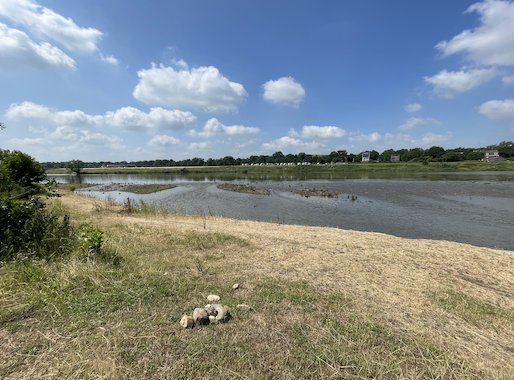
On the Mur
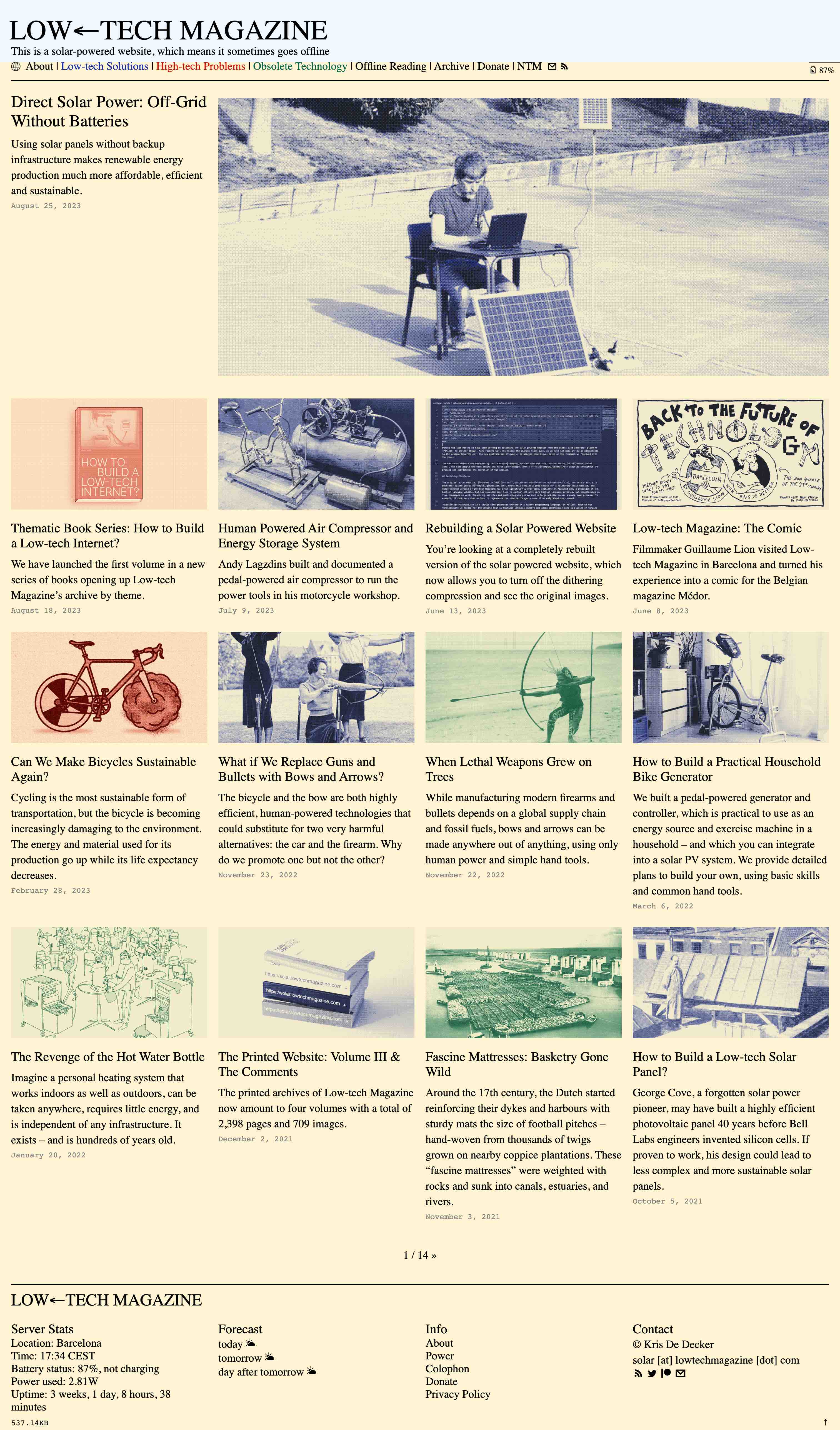
MAAS LAB WEB PRESENCE
"How to Build a Low-tech Internet?"
https://solar.lowtechmagazine.com/2023/08/thematic-books-series/
What do people need to know about Maas Lab?
How do people get to know about Maas Lab?
A minimal web presence that grows as the Maas Lab does:
Publishing at least:
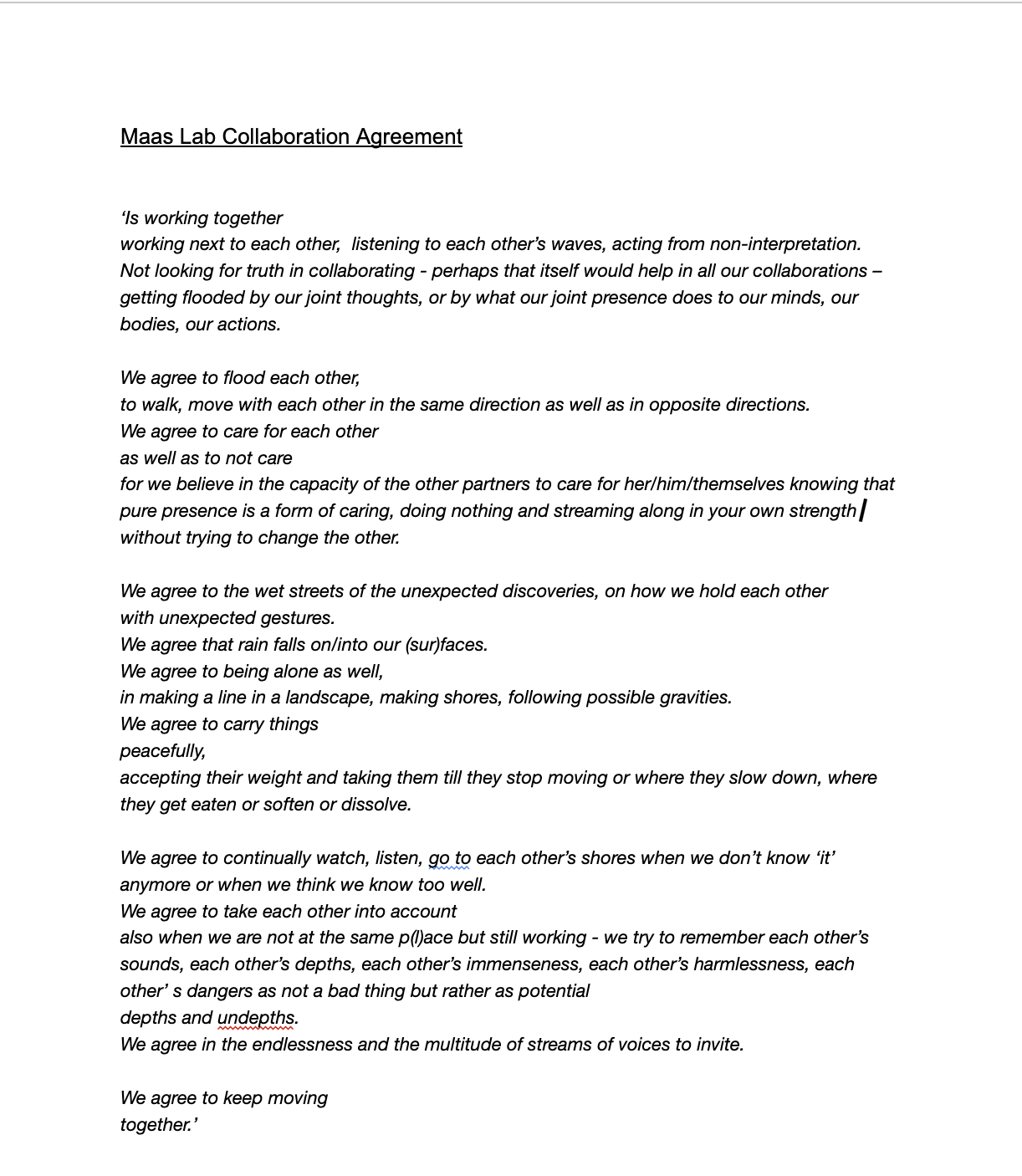
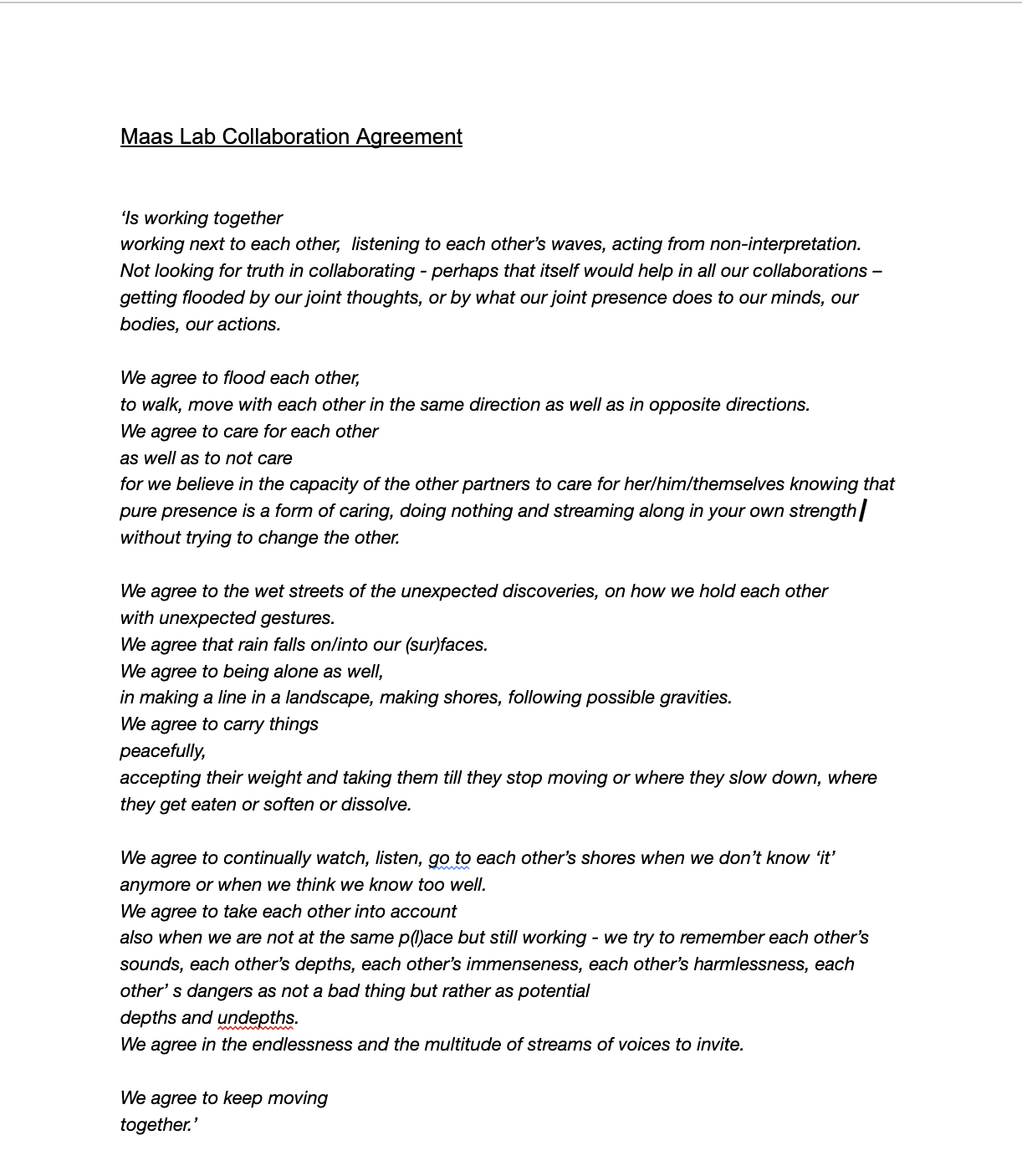
Collaboration agreement
Maas Wacht Open Call
Film (Polyphonic Gathering)
Potentially: Short-form Telegram feed
Maas-powered website
To get our feet wet with the possibilities of a picohydro-powered website, first tests could happen at the Mur next week with ~50 euro material costs:
water flow to DC power
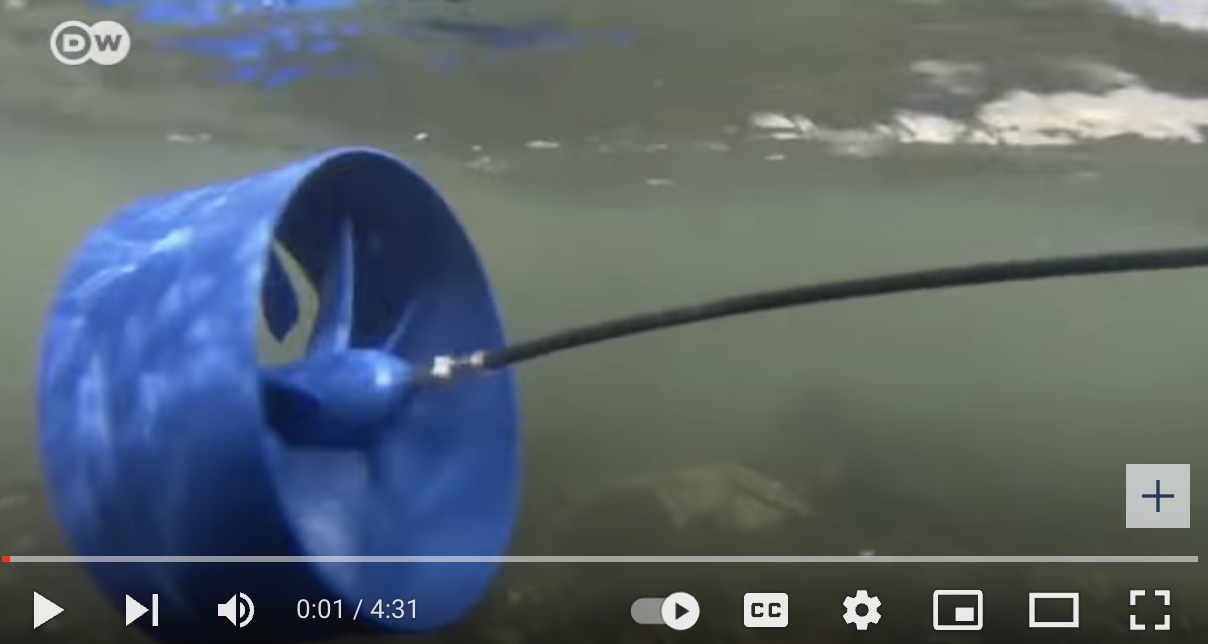
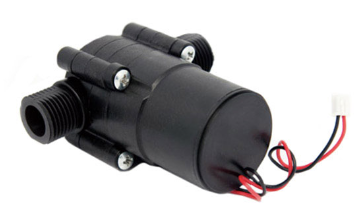
microhydro turbine, e.g. this turbine w. 5v regulator or that turbine w. 3.6v regulator and battery or another small turbine without voltage regulator
minimal web server
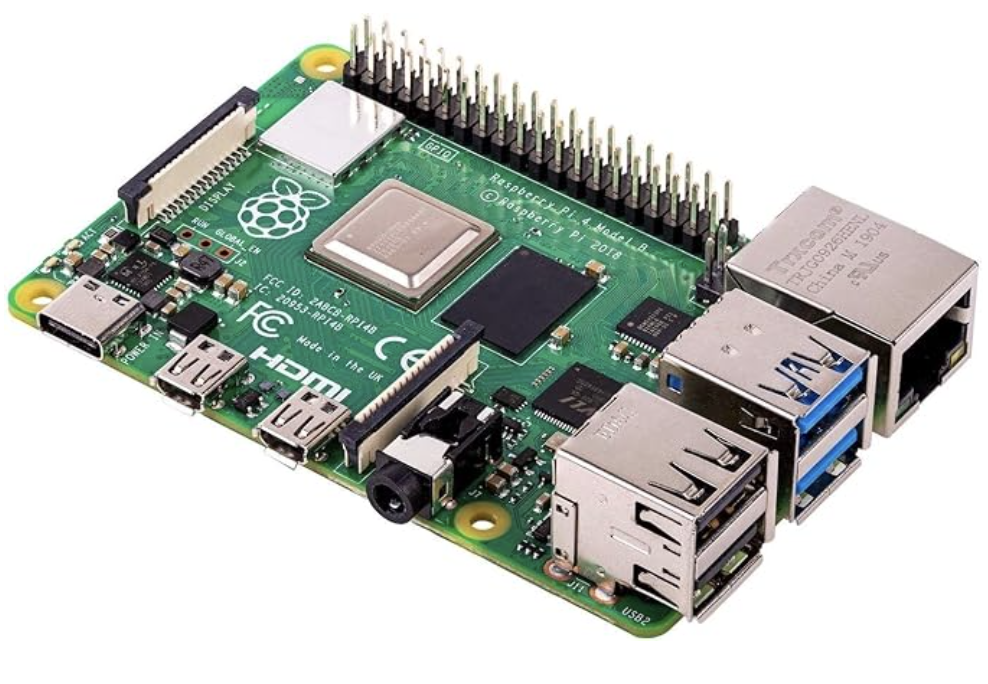
microcontroller to serve minimal webpage including sensor info (e.g. water flow level) e.g. esp32 microcontroller or raspberry pi zero SoC + sd card + cellular modem
floating frame
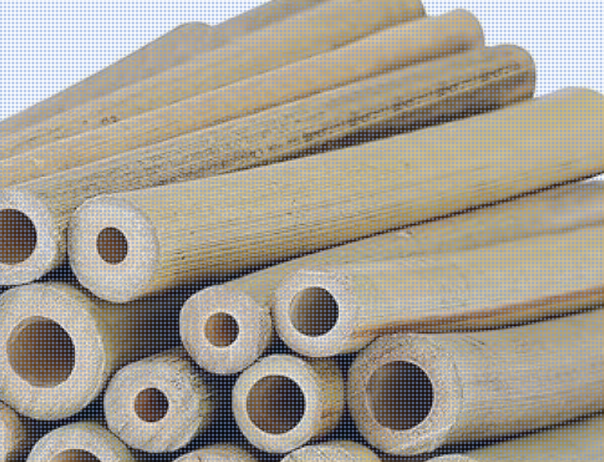
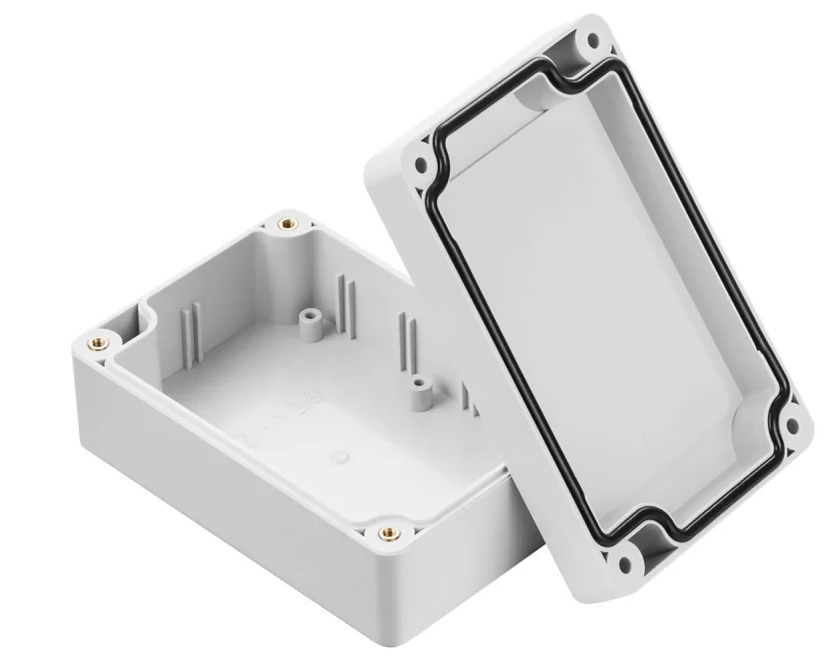
electronics in a waterproof container + turbine could all be placed on a floating frame e.g. from bamboo and released into the current on a rope.
If the turbine generates enough current to power the microcontroller, we'll be able to access the website on our phones and read out the flow.
See also:
Can the digital presence of Maas Lab also become physical? How to connect the website back to the river water/current?
Could the server station also become a weather station? Equipped with sensors?
Who will be the gatekeepers/curators of the data?
That’s to be understood during the collaboration between the Maas and us.
data flow as practicing data (e)consciousness
How to promote lightweight data generation and storage? How to prompt users to (pre)select and (down)edit their data?
Is the display and storage of video really necessary?
journal view (blog posts in a timeline)
birds-eye view, mapping material on a 2D canvas
within the Maas, watching artefacts and reflections float by -- like leaves on the surface
narrated by an AI Maas
other views emerge from the working process
What is the minimum amount of necessary documentation? What responsibility does maas lab hold towards its stakeholders?
What is seen as data for Maas Lab?
How can someone contribute to the maas lab database?
Can data points be seen as gestures?
(sensitive observations made by maas lab participants?)
How do we assemble the digital material we collect?
This is what we applied with:
The Data Flow is Maas Lab’s offering to the digital realm: an open database for the soft and hard data we generate and a multitude of browser-based perspectives to navigate through it. In a journal, on a map, with the DAAR drifting along the Maas, with a speculative 'voice of the Maas' narration, and other formats that emerge as the Maas Lab does. In the Data Flow we observe, relate, reflect, filter, curate, arrange, and share.
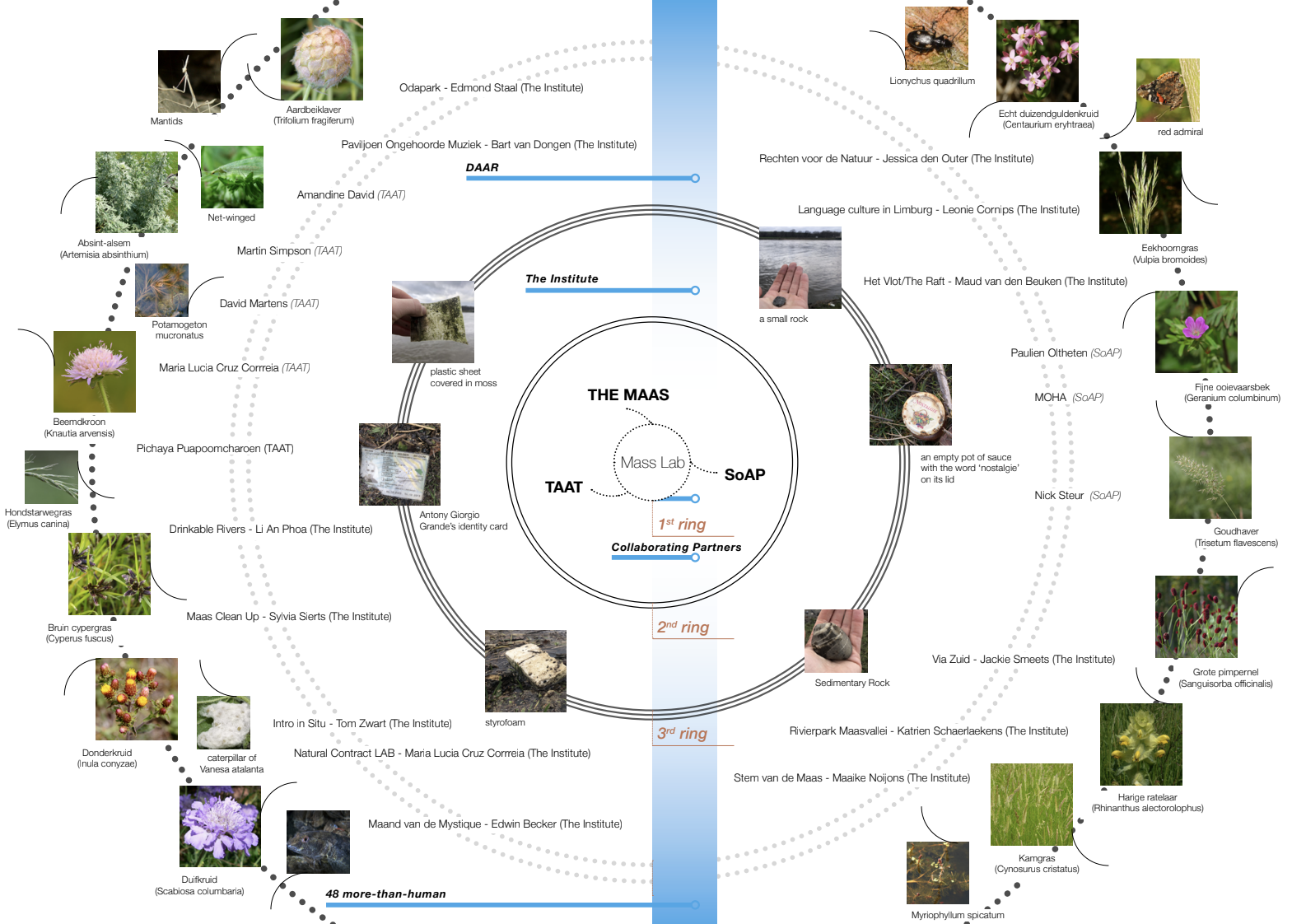
The Data Flow is an extension of TAAT’s Live Agora, an online co-creation environment that has also been used for the development of this application: https://maaslab.mit.taat.live.
By developing the Data Flow with a collection of open-source tools that evolve along with the research, we attempt to include our digital documentation process in the ecosystem of care. Consciously reducing our reliance on centralised big tech platforms in order to document, share and communicate our research in a way that contributes to an inclusive, regenerative and democratic digital realm.
Maas Lab proposes a local-first approach built on shared awareness and ownership of the underlying systems. Simple scripts to batch process recordings (photo/video/sound files) and generate session entries. Preferring lightness to reduce our storage, network, and computing needs.
A modest Maas-powered server can store a copy of the data generated.
The digital architecture we adopt for this, including the tools that we find/adapt/develop anew, the connections between them, and the infrastructure required will be documented and made accessible for others.
This is something the data flow is touching.
How do we share what we learn?
How to keep the connection to the (river) Maas in the display of data?
For who'm are we gathering data?
How much data does Maas Lab gather?
What open-source systems are there to make use of?
How can we open up the data flow–as a documentation system–for others?
data flow as an exercise in open source
data flow as a data display
How is the data displayed?
data flow as a data base
DATA BASE
Whenever the maas lab deals with digital data
within the Maas
#object #harvesting
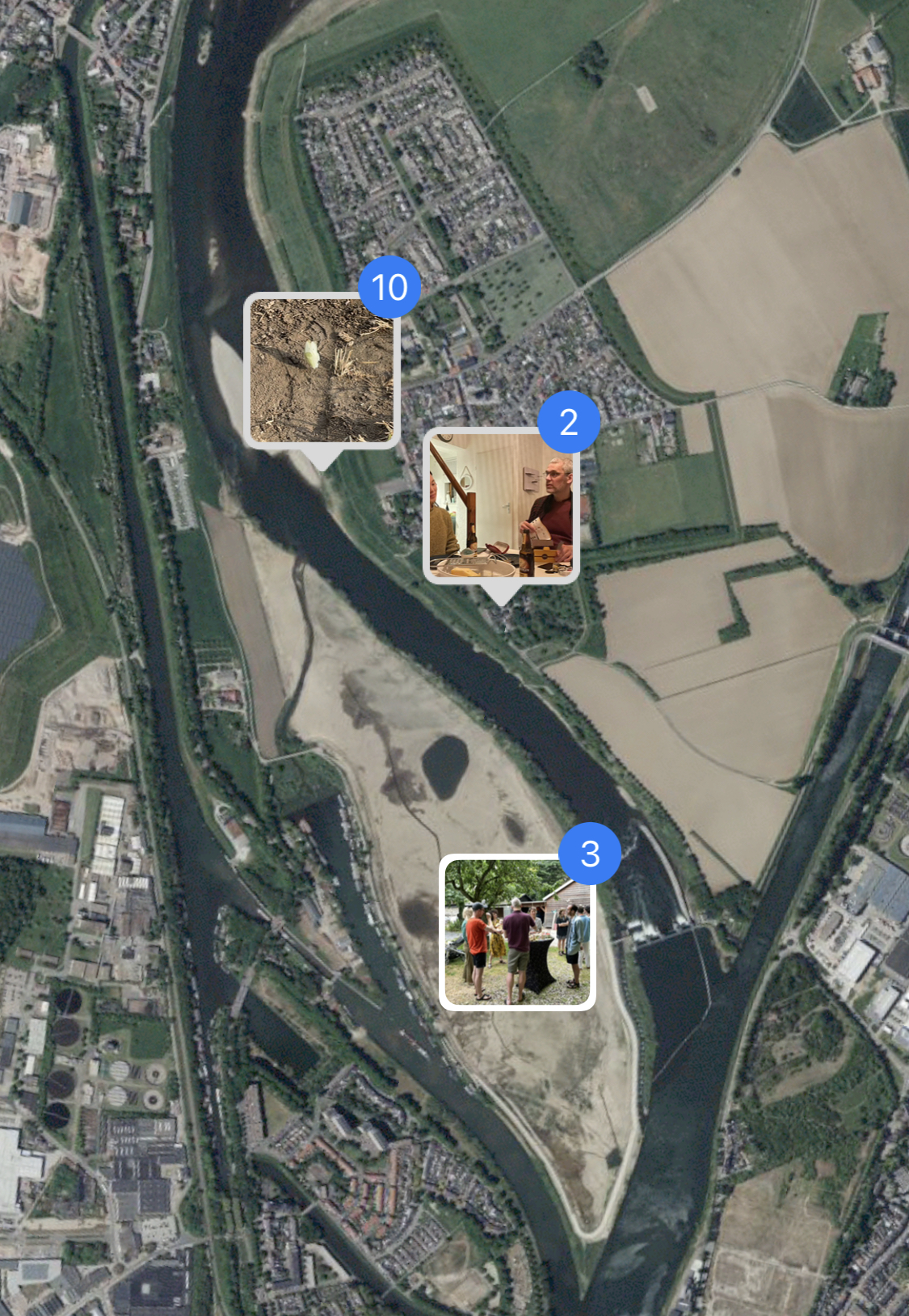
birds-eye view
list of gestures
22/04/2023, Vise
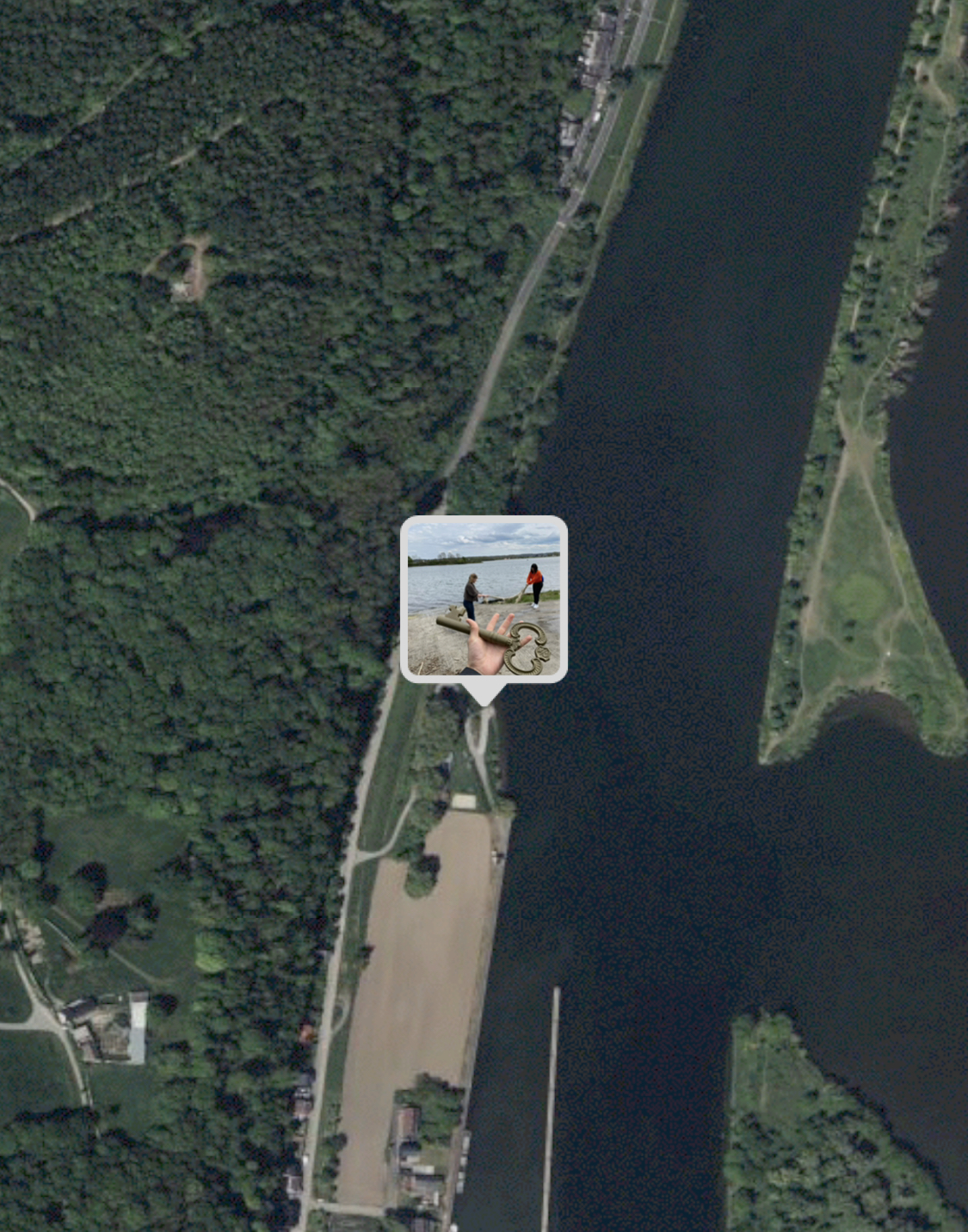
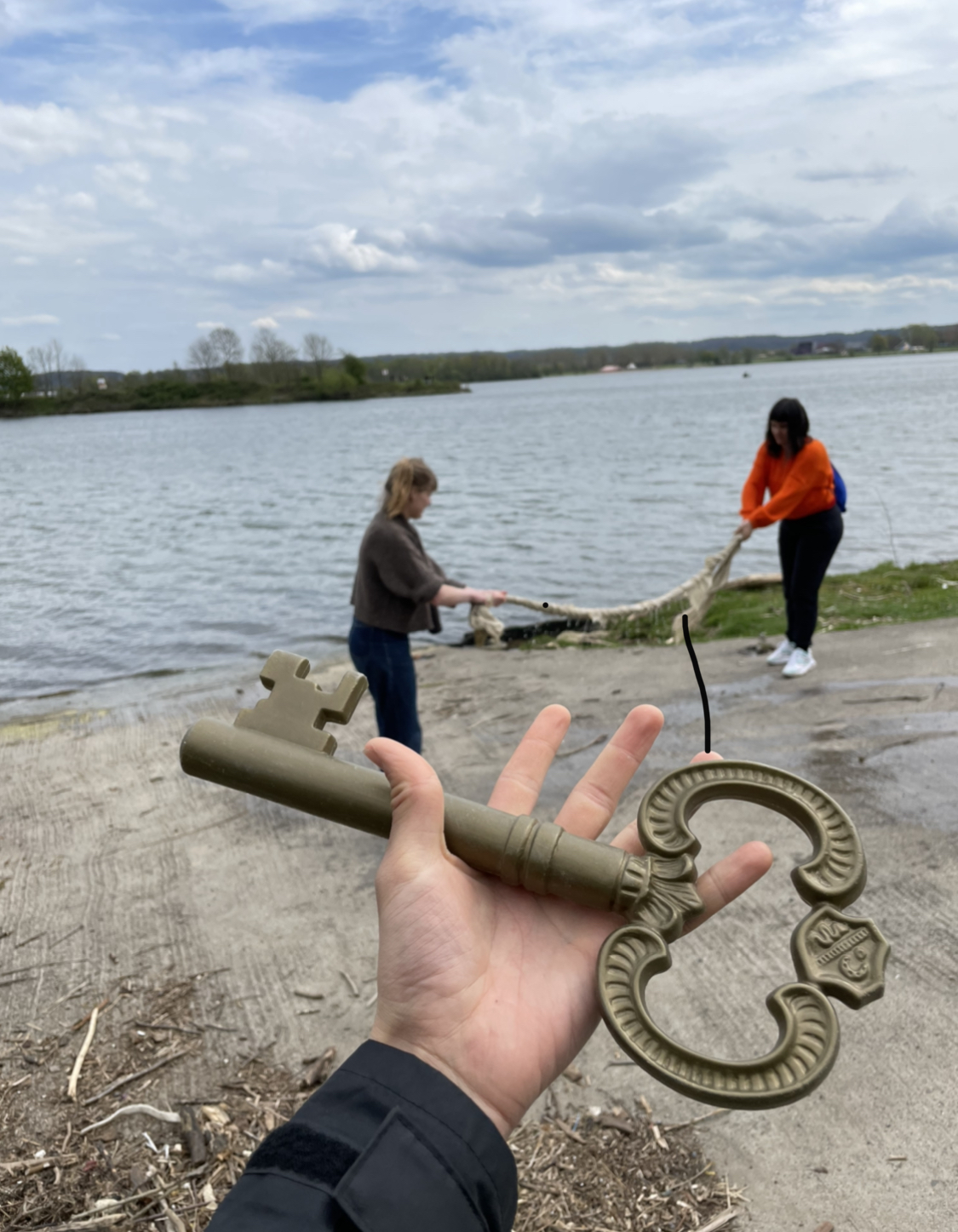
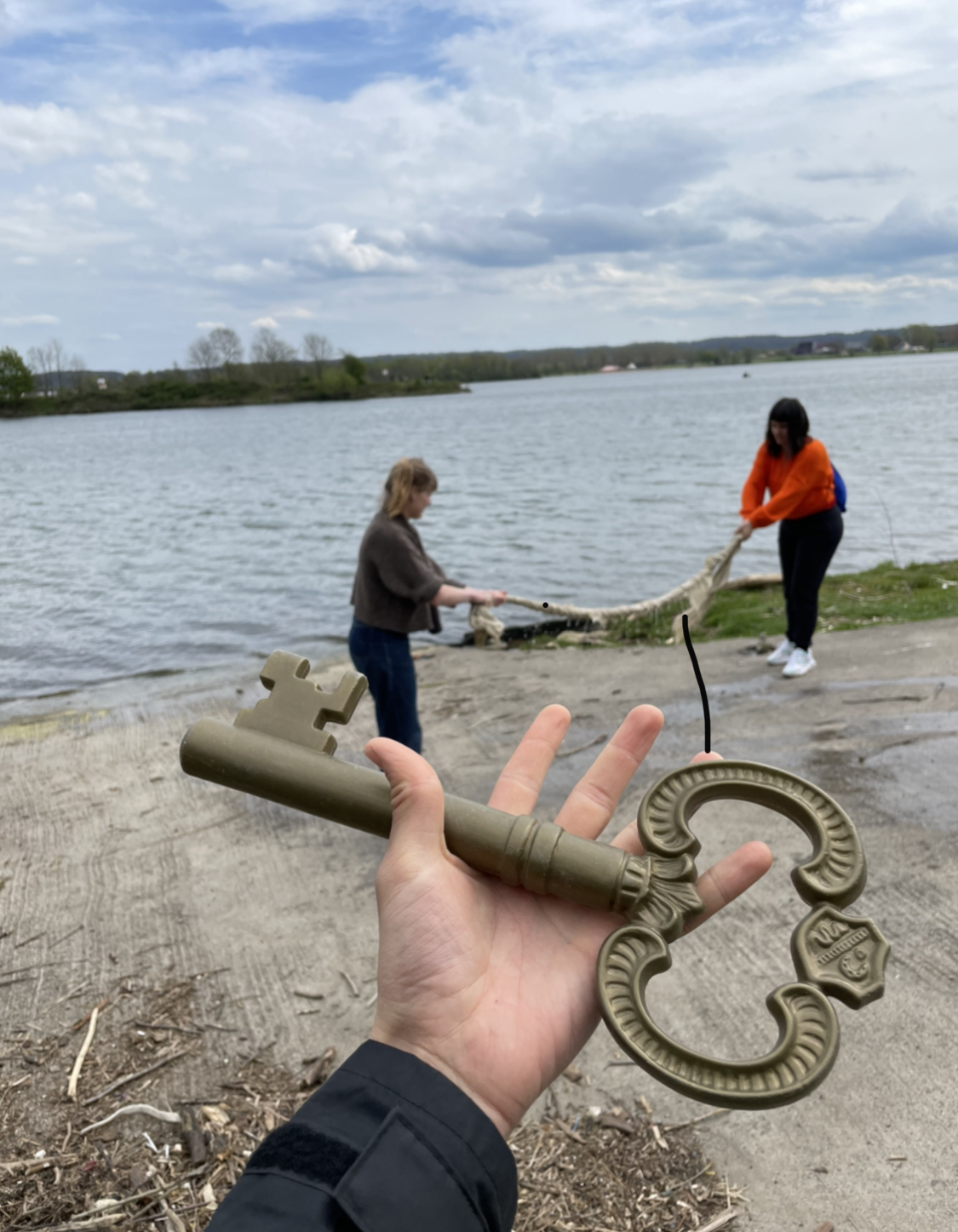
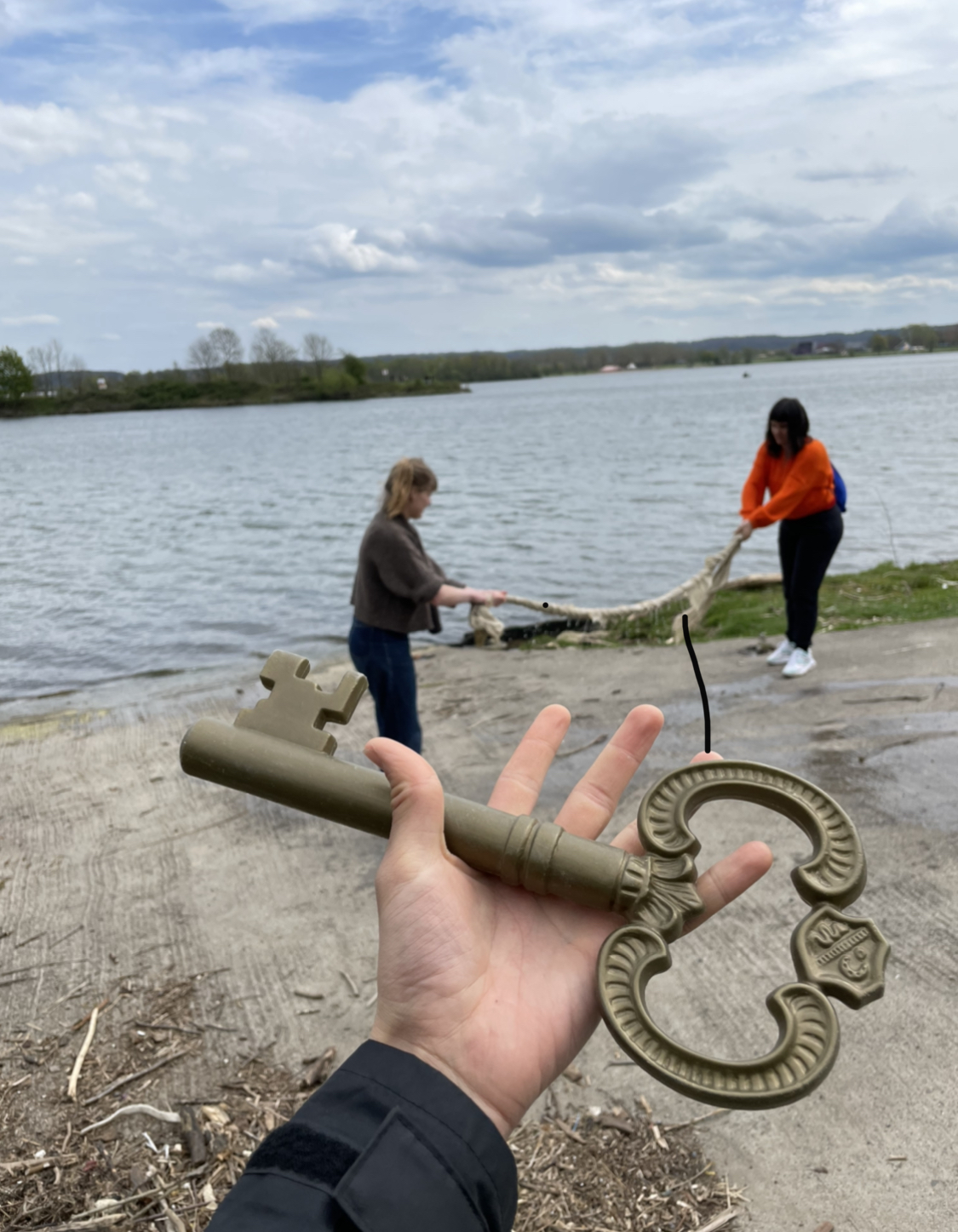
On her shores, I found a key, floating from a castle far far away.
using the coordinates stored inside the metadata of images, images can be placed on a map
contributors share their image with a telegram bot who compresses and stores the data in the maaslab database
scenario
someone takes an image during maaswacht that is worth sharing
database
If Maaslab as a project will last for at least 4 more years, what does that mean for data flow?
Could there be a place to install it? Should we first focus on having it installed? Before building the content?
Should we keep Rijkswaterstraat in the loop?
Agenda
1. Status quo
update on proof of concept
what we know for next steps
2. Timeline
prep for winter session
winter session
spring session
How does the data flow contribute to the broader mission of "new we"?
What are we going to take out even more? And what are we going to add?
Reflect on the process of working with the river.
How do we communicate with Anneke and GJ?
Signal groups and other channels, meetings
permacomputing is both a concept and a community of practice oriented around issues of resilience and regenerativity in computer and network technology inspired by permaculture
MaasLab
Questions:
We want to work at the Maas, what are our accommodation options? When do we want to work?
What should it host?
What's the life-span of what we are building?
3-4 days in winter
Full week in spring
HARDWARE
1. Electronics
Set up raspberry-pi
With working sim module
Find another step up that can power from 2v to 5v
Find a little battery (used phone)
Continue to work with current motor
2. Mechanics
Continue working with belt-less drive
3. Floating structure
Stay with Bamboo?
Reconsider length of structure
Look for a way to lift the pontoon
Make the diameter a little smaller
How much material do you need?
INFORMATION
Documentation
A statically generated website
What could the website be? Markdown file
A link that brings you to YouTube
Trying to be as light as possible
So it works for many people at the same time
Across all scenarios
Link it to other river projects
Link it to sensor data and make some kind of sensorial translation
Some form of process documentation the vlog
We should feel free to make it into a more accessible documentation
Scenario 1: Maaslab website
+ sensordata
water-current to energy-current translation
Light website - ASCII art website
Scenario 2: Process Blog
it could show sensor data
it should host the process blog itself - have a section about the
Current (4.7v) to current (2.8m/s) to soundwave
Scenario 3: Texting Dataflow bot
You send it a text with a question
What should it respond to and what should it respond with?
budget estimation
Working on flow below (gathering material from participants, cataloguing in database, designing various public-facing views): 3500 euro
How do we document and make sharable the process and outcome?
How do we make space for the DAAR?
As the first work, observing and documenting gatherings and the daar takes place as a series of 'sessions' in time and place and annotations (later reflections on the sessions) - I mean, a blog - in which the entries are presented from multiple perspectives simultaneously, so always in some situated context... first prospectives:
from the viewpoint of an entity floating on the Maas. scores for leaves-sails. media artefacts like postcards going with the ebb and flow of the water surface...
drawn on a canvas (birds-eye overview, but with expanded time domain)
a journal (chronological list-view, entries of events)
Tracing recordings along their branching meandering trajectories, making space for the Quellen (german: sources, but also a spring or origin).
Then filtering possibilities might converge the organisation of Live Archive with the layout potentials of Live Agora. (if we start from where we are here)
the latest internet developments ( Web 3.0) and/or
the impact of technology on society
technological citizenship
the development of digital platforms that function as public space
the ownership of systems and
the artistic and ethical consequences of using artificial intelligence in the design process
different measurement sites
between archive and data-gathering
ritual data and measurable data
algorithm that takes care of voice generation (Maas as speculative narrator...)
The site should be developed in a way that it can be run on a local network, so even disconnected from the internet, and self-hostable (done already in this site :). The syncing can be peer-to-peer, though for now there is a small server in Frankfurt saving our data (texts, media uploads, layouts...).
What if we think through this space as a first step? In a call here with David, imagined this space as a platform for live presentation, moving through the material together.